Blockchain in the Mosh Pit: The Most Spectacular Ways Rock Bands Wasted Everyone's Time With Crypto
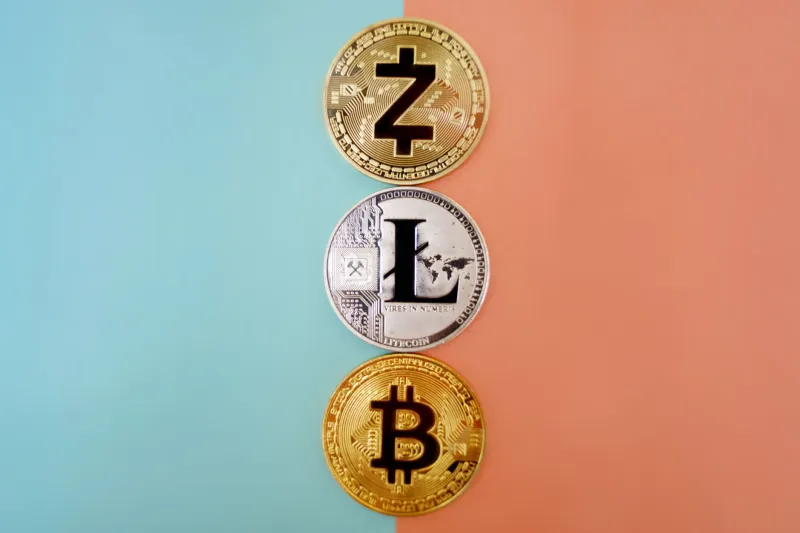
Picture the scene. It's 2021. A mid-tier rock band — let's call them exactly what they were, which is desperate — has just sat through a pitch from a 26-year-old consultant in a Patagonia vest who has used the word "ecosystem" seventeen times in forty minutes. The band members nod slowly. Their manager nods faster. Someone says the phrase "Web3 music revolution" and nobody laughs.
Three months later, the band announces an NFT drop. Six months after that, the NFT is worth less than the electricity it cost to mint it. One year after that, the consultant is doing the same pitch to a different band.
This is the story of crypto in rock music. It is a comedy. It is also, if you squint, a tragedy. Mostly it is a comedy.
The Promise: Own a Piece of the Revolution
The pitch was genuinely seductive if you caught it at the right moment and didn't think too hard about the mechanics. The music industry had spent thirty years systematically stripping artists of revenue — labels took the lion's share, streaming platforms paid fractions of pennies, and the only people reliably making money were the people who owned the infrastructure rather than the music itself.
NFTs and blockchain technology arrived with a story that hit every right note for artists who'd been getting financially steamrolled for decades. Direct-to-fan monetization. No intermediaries. Smart contracts that automatically pay royalties forever. True ownership of digital assets. It sounded like punk ethics applied to finance. It sounded like sticking it to the labels with math.
A few genuinely thoughtful experiments happened in this space. Kings of Leon released an album as an NFT in 2021 and generated real revenue while raising real questions about what digital ownership could mean for music. It was interesting. It was worth discussing.
Then every other band in North America decided they needed to do it too, immediately, with significantly less thought and considerably more desperation, and things went sideways in ways that were both predictable and spectacular.
The Reality: Nobody Actually Wanted a JPEG of Your Guitar Pick
Here is the core misunderstanding that doomed approximately 90% of music NFT projects: the people selling them confused financial speculation with fan connection.
The early NFT market was driven by crypto investors looking for assets that might appreciate. They bought music NFTs the same way they bought everything else in the crypto ecosystem — as speculative instruments, not as expressions of fandom. When the market was going up, this looked like passionate fan engagement. When the market collapsed, those same "fans" vanished because they were never fans. They were traders.
Actual rock fans — the people who buy the t-shirts and drive four hours to see a show and have the band's logo tattooed somewhere inadvisable — were largely baffled by the whole enterprise. You want me to buy a token that represents... a digital certificate of... what exactly? And I'll need a crypto wallet for this? And gas fees? And I should care about this why?
The answer, in most cases, was that they shouldn't. Because most of the music NFT projects offered nothing a fan actually wanted that couldn't have been delivered more simply and cheaply through a fan club membership, a Patreon, or a handwritten letter.
The Hall of Shame Is Long and Glorious
The specific failures deserve their moment in the spotlight because they are genuinely instructive about what happens when musicians make financial decisions based on hype cycles instead of understanding their audience.
There were the bands who minted "exclusive" NFT concert tickets that granted access to special experiences — only to discover that coordinating blockchain verification at a physical venue door was a logistical nightmare that made everyone, fans and staff alike, furious. There were the artists who promised ongoing royalty streams from NFT resales and then watched the secondary market for their tokens flatline so completely that the royalty mechanism never meaningfully triggered.
There were the truly ambitious disasters: entire "Web3 music platforms" that raised significant money from investors, signed bands, promised to revolutionize the industry, and then quietly shut down when the crypto market turned and the venture capital dried up, leaving artists with broken promises and fans with worthless tokens.
And then there were the environmental conversations that nobody in the initial hype cycle wanted to have — the not-insignificant carbon footprint of proof-of-work blockchain transactions, raised loudly and persistently by the exact kind of environmentally conscious music fans who make up a substantial portion of the rock and alternative audience. Nothing kills a revolutionary monetization scheme quite like your own fanbase pointing out that your JPEG is contributing to climate change.
What the Wreckage Actually Tells Us
Here's the part where we stop laughing long enough to notice what these failures actually reveal, because there's something genuinely important buried in the rubble.
The desperate lunge toward crypto solutions happened because the underlying problem it was trying to solve is real. Streaming has gutted artist revenue at the middle and lower tiers of the music industry. A band with 100,000 monthly Spotify listeners might make enough from streaming to cover a tank of gas. The economics are broken in ways that are not funny and not sustainable, and musicians are right to be looking for alternatives.
The mistake wasn't wanting better monetization. The mistake was believing that technology, specifically new and complicated technology that most fans didn't understand or want to engage with, was the solution to what is fundamentally a relationship problem. Fans will pay for things they value and understand. They will not download a crypto wallet and navigate gas fees for a band they like.
The platforms and approaches that have actually worked for independent artists in the last few years are almost aggressively low-tech: Bandcamp's simple direct-purchase model, Patreon's subscription approach, Substack newsletters, even old-fashioned merch bundles. None of these involve a distributed ledger. All of them involve a musician directly offering something a fan actually wants in exchange for money the fan actually understands they're spending.
The Consultant Is Still Out There
The Patagonia vest guy didn't disappear when the NFT market collapsed. He rebranded. Now he's pitching AI music tools, or fan tokens on a different blockchain, or some new platform that will definitely be the one that finally disrupts everything. The pitch has a different vocabulary but the same structure: your old model is broken, this new technology is the answer, and you need to act now before you miss the window.
And the thing is — sometimes he's right that the old model is broken. That part is true. It's the solution that keeps being wrong.
The most radical thing a rock band can do in the current economy isn't to embrace the newest technology. It's to build genuine relationships with actual humans who care about the music. It's boring. It doesn't have a whitepaper. Nobody is going to write a TechCrunch piece about it.
But it works. And it doesn't require anyone to explain what a gas fee is.
The mosh pit doesn't need a blockchain. It just needs people willing to show up.