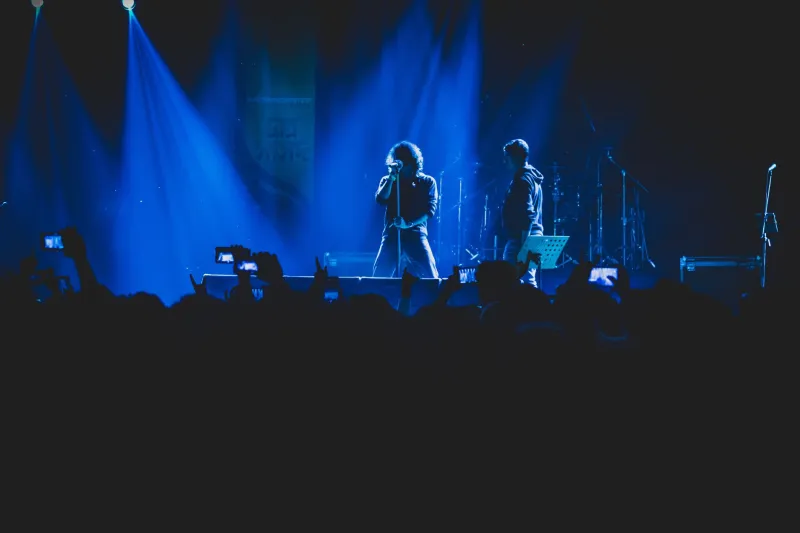
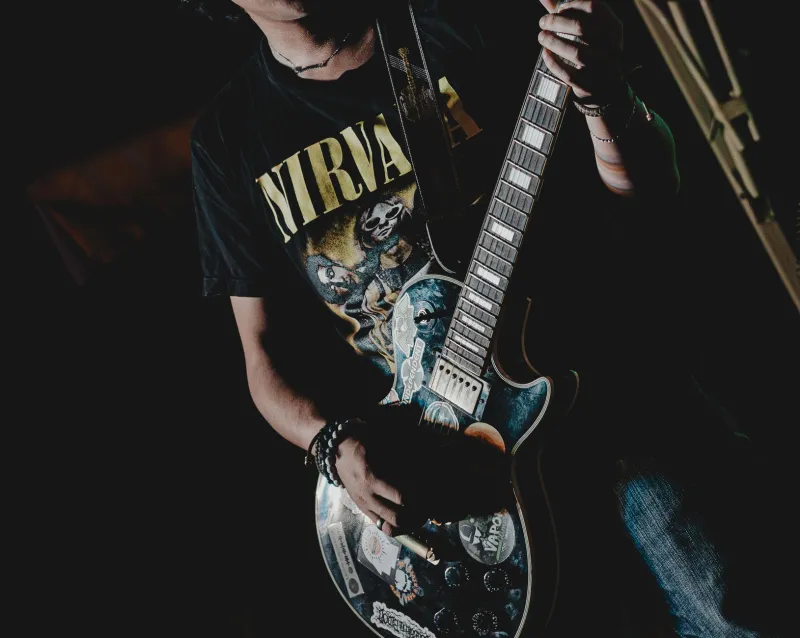
Congratulations, Punk: You Invented the Gig Economy and Didn't Even Get a Finder's Fee
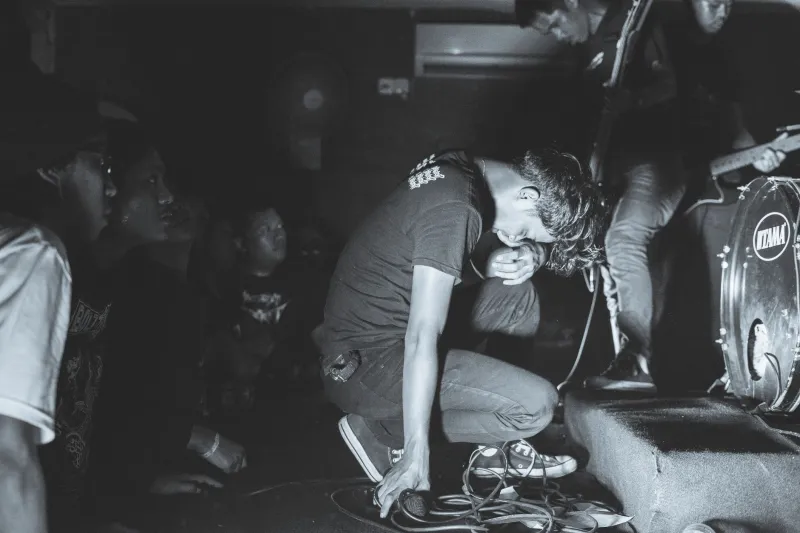
Somewhere in Silicon Valley right now, a guy in a Patagonia vest is standing in front of a whiteboard covered in buzzwords — disruption, democratization, creator economy — and he has absolutely no idea that a bunch of sweaty kids in a New Jersey basement figured all of this out in 1977. He doesn't know, and honestly, he doesn't care, because not knowing is what keeps the money flowing his direction instead of yours.
Here's the joke nobody in tech wants you to get: punk rock's entire operating philosophy — make your own stuff, distribute it through your own channels, reject the gatekeepers, build community without asking permission — is now the founding mythology of every billion-dollar platform that has systematically strip-mined musicians for profit. The revolution got incorporated. The IPO was gorgeous.
The Original Disruptors Wore Ripped Jeans, Not Hoodies
Let's be precise about what punk actually built. Before Spotify had a growth deck, before Bandcamp had a domain name, punk and hardcore scenes across America had already solved the core problems of independent creative distribution. Bands pressed their own seven-inches on self-funded labels. Zines moved hand-to-hand at shows, spreading information outside of editorial gatekeepers. Touring circuits got established through personal relationships and mutual aid — you sleep on our floor in Omaha, we sleep on yours in Richmond. The entire infrastructure was peer-to-peer, decentralized, and stubbornly hostile to anyone who wanted to extract rent from the middle of it.
Sounds familiar? It should. That's the pitch deck for literally every platform company of the last twenty years, except somewhere between the basement show and the Series B funding round, the part where the creators keep their own money got quietly deleted.
Minor Threat didn't need a label. Ian MacKaye's Dischord Records didn't need a distributor. Black Flag didn't need a booking agent. They needed each other, they needed a van, and they needed the radical conviction that the existing system was worth nothing and could be replaced. Silicon Valley heard all of that and thought: what if we rebuilt this, but we owned the van?
Your Rebellion Is Our Product
The really beautiful — and by beautiful I mean nauseating — part of this whole situation is how completely the language of punk rebellion got absorbed into tech marketing without anyone changing a single word. Spotify launched with rhetoric about freeing music from corporate control. SoundCloud positioned itself as the platform for artists who didn't fit the mainstream mold. YouTube's entire early brand was built on the promise that anyone could reach an audience without a record deal or a network executive's blessing.
All of that is true. It is also completely irrelevant to the business model underneath it, which is: aggregate enormous amounts of creative work from people who are too excited about access to ask about compensation, monetize their attention and their data, pay out fractions of pennies, and then go public at a valuation that would make a 1980s major label CEO weep with envy.
The gatekeepers didn't get destroyed. They got replaced by an algorithm, and the algorithm is way harder to argue with at a bar.
At least when some A&R guy passed on your demo, you could hate a specific human being. Now you're getting outcompeted by engagement metrics you don't understand, on a platform you don't own, distributing music you made, and the company is worth forty billion dollars. Progress.
The Zine Is Now a Newsletter, and Someone Else Owns the Mailing List
It's not just music, either. The punk zine — that beautiful, photocopied, staple-spined artifact of anti-corporate self-publishing — is now Substack, and Substack just raised another round of venture funding. The community bulletin board at your local record store is now a Discord server owned by a company with terms of service that reserve the right to monetize everything you post in it. The handshake network of promoters, bookers, and friendly floor-crashers that made independent touring possible is now a suite of apps, each one taking a percentage.
Every single one of these platforms will tell you, with a straight face, that they're empowering creators. Some of them even believe it. The empowerment is real. The economics, however, are structured so that the people doing the actual creating capture a small fraction of the value they generate, while the people who built the platform to host the creating capture the rest. This is not a new arrangement. Punk was invented specifically to burn this arrangement to the ground. It just turned out the arrangement was fireproof.
The Part Where We Admit It's Complicated
Okay, look. It's not all bad faith and exploitation, and pretending otherwise would be its own kind of lazy.
Bandcamp — before Epic Games acquired it and then the whole thing got weird — genuinely tried to build something where artists kept most of the money. Plenty of independent musicians have built sustainable careers using the tools that tech built, tools that genuinely didn't exist before and that genuinely would have required major label infrastructure to replicate in 1985. The access is real. The ability for a band in Tulsa to reach listeners in Portugal without ever leaving their practice space is legitimately remarkable and legitimately new.
But access and equity are not the same thing, and the punk movement never confused the two. The whole point of pressing your own records wasn't just to get your music out — it was to own what you made. It was to refuse the deal where someone else controlled your art and took most of your money in exchange for distribution. The DIY ethic was about ownership, not just reach.
Every major platform has given artists reach while quietly keeping the ownership conversation as murky as possible. You can get your music to anyone on the planet. You just can't necessarily make rent doing it, and the company facilitating your global distribution is definitely making rent. A lot of rent. A penthouse's worth of rent.
So What Do We Do With This Information
Honestly? Get mad, but get specific about who you're mad at.
The punk kids who built DIY culture weren't naive — they were visionary. The problem isn't that they had the right ideas. The problem is that ideas without ownership structures are just free consulting for whoever has the capital to build at scale. The next iteration of punk's ethos needs to come with lawyers, with co-op structures, with actual equity stakes in the platforms that profit from creative labor.
A few movements are already trying. Artist-owned streaming experiments, musician co-ops, direct-to-fan platforms that haven't yet sold out to a private equity firm — they exist, they're scrappy, and they're almost certainly underfunded compared to whatever the next big platform is.
Punk didn't fail. Punk won the culture war and lost the economic one, which is, when you think about it, exactly what the establishment always wanted. They couldn't beat the music, so they bought the distribution.
The van is still out there. You just have to make sure your name is on the title this time.