Your Band Has Great Taste and Zero Ideas: The Nostalgia Trap Swallowing Rock Whole
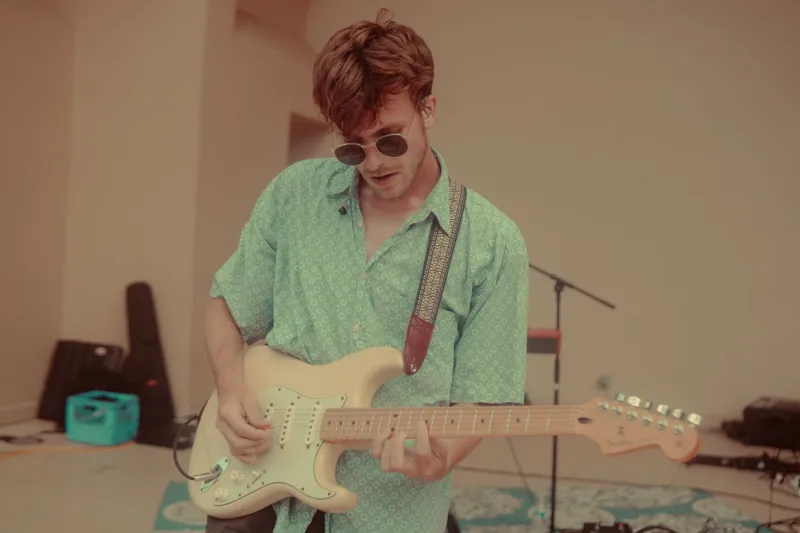
Let's say something true and uncomfortable: the average new rock band in 2024 has better taste than any band in 1975 could have possibly imagined. They've listened to everything. They've studied the greats. They can tell you exactly which Velvet Underground record influenced which Strokes album influenced which current Brooklyn four-piece you're about to hear at a venue with exposed brick and $14 draft beer.
They have absorbed it all. They have processed it beautifully. And then — and this is the part where we need to have a serious conversation — they have reproduced it with stunning, loving, technically impressive accuracy.
This is not a compliment.
The Museum Problem
Somewhere in the last decade, music streaming turned every bedroom into a museum and every aspiring musician into an extremely passionate curator. When you can pull up literally every record ever made at 2 a.m. on a Tuesday, something changes in your relationship to music history. It stops being a foundation and starts being furniture. You arrange it. You reference it. You build a room out of it and then invite people to come look at how tastefully you've arranged everything.
The problem is that a museum isn't a living thing. A museum is a very organized tomb.
This isn't entirely new — rock has always eaten its own history. Chuck Berry begat the Beatles begat the Stones begat every bar band in North America for fifty years. Influence is the engine. Nobody's arguing against influence. What we're arguing against is the specific modern flavor of influence-worship that has calcified from inspiration into impersonation, and then had the audacity to call itself a genre.
There's a difference between a band that sounds like they grew up listening to the Pixies and a band that sounds like they are the Pixies but with a different Instagram aesthetic. One is inheritance. The other is cosplay.
TikTok Made It Worse, Obviously
Here's where the TikTok era enters the chat and makes everything more complicated and more infuriating simultaneously. The short-form video economy rewards instant recognition above almost everything else. If your song sounds like something people already love, they will identify it, feel good about identifying it, and share it. The dopamine hit of recognition is a more reliable engagement driver than the slower, stranger pleasure of encountering something genuinely new.
So the incentive structure actively punishes originality. Not in a mustache-twirling conspiracy way — just in the cold, mechanical way that platforms optimize for engagement and engagement favors the familiar. A band that sounds like a beloved '90s act will outperform a band that sounds like nothing you've heard before, at least in the first thirty seconds, and thirty seconds is roughly the attention span the algorithm has allocated for your entire artistic statement.
Musicians are not stupid. They can feel the current. And a whole lot of them are swimming with it, making music that is designed — consciously or not — to trigger recognition rather than discovery.
"Loving Your Influences" Has Become a Hall Pass
There's a phrase that gets deployed constantly in interviews with young bands that has become the single most reliable indicator that something has gone wrong creatively: "We're really influenced by." Followed by a list of correct, tasteful artists. Followed by music that sounds exactly like those artists stapled together.
Loving your influences is not an artistic achievement. It's a starting point. It's the thing you're supposed to do before you make art, not the thing you call the art itself.
The truly great artists in rock history didn't just love their influences — they metabolized them so completely that what came out the other side was unrecognizable. Robert Plant loved blues singers. You would not mistake Led Zeppelin for a blues band. David Bowie loved Little Richard and Anthony Newley and Jacques Brel. You would not mistake Ziggy Stardust for any of them. The influences went in, got destroyed, got rebuilt, and emerged as something that had never existed before.
What's happening in too much of current rock is that the influences go in and come out roughly intact, with maybe a different tuning or a slightly updated production style. That's not transformation. That's forwarding an email.
The Infinite Reference Library Is a Trap
The cruelest irony of the streaming era is that the very thing that made musicians more knowledgeable also made them more timid. When you've heard everything, you know exactly how everything compares. You know where every weird choice you make sits in the taxonomy of music history. You know which critic will call you a Pavement rip-off and which one will call you a Television rip-off, and that knowledge is paralyzing in ways that the blissful ignorance of earlier generations simply wasn't.
The Ramones famously didn't know many chords. That wasn't a liability. That was the whole point. Limitation forced invention. The walls of the box were so close that the only direction left was weird and new and theirs.
Now the box has no walls. You can hear everything. You can reference everything. And for a lot of musicians, that limitlessness has produced not freedom but a kind of creative vertigo — a desperate grabbing for the familiar because the familiar is the only solid ground in an infinite space of sonic possibility.
There's Still a Way Out
The bands doing genuinely interesting things right now are the ones who've figured out that the reference library is a tool, not a destination. They use it the way a chef uses a recipe — not to reproduce the dish exactly, but to understand the principles well enough to throw the recipe away.
They're the ones who combine genres that have no business being combined, who drag their influences through personal experiences strange enough to distort them beyond recognition, who are willing to make something that sounds wrong to people who know what right is supposed to sound like.
That takes actual courage in a culture that has made comfort and recognition the primary currency of musical success. It requires being willing to fail in ways that are genuinely new rather than succeeding in ways that are safely borrowed.
Your influences are not your identity. They're your education. At some point, school has to end.
Go make something your heroes wouldn't recognize. That's the whole assignment.