Your Bedroom Is Now a Major Label and Nobody Got the Memo
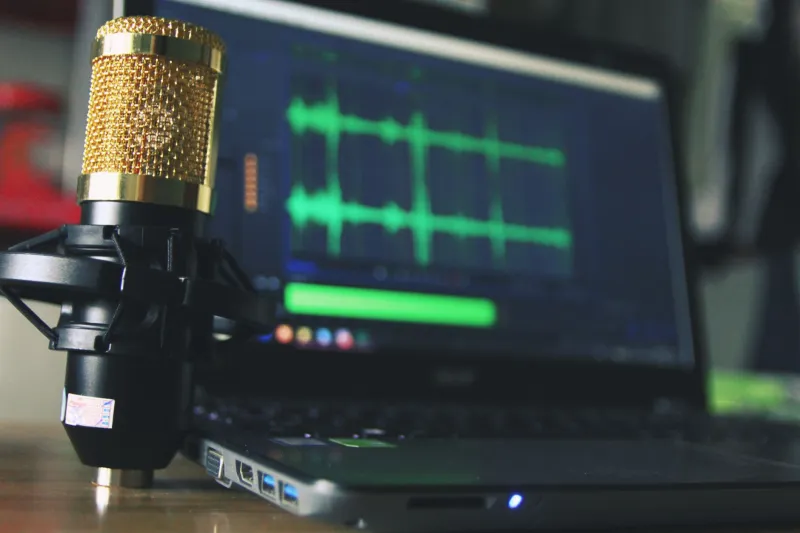
Somewhere in a suburb you've never heard of, a seventeen-year-old is recording guitar tracks into a USB microphone duct-taped to a lamp, layering vocals through a free plugin she found on a Discord server, and uploading the whole thing to DistroKid before her parents finish dinner. By morning, three thousand people in different time zones have heard it. By the weekend, a playlist curator in Sweden has added it to something with four hundred thousand followers. By the end of the month, she hasn't called a single A&R rep, hasn't played a showcase, hasn't shaken one industry hand — and she doesn't need to.
This is not a fairy tale. This is Tuesday.
The Death of the Gatekeeper (Funeral Was Poorly Attended)
For most of rock music's commercial life, the path from "kid with a guitar" to "person who gets paid to have a guitar" ran through a very specific set of human tollbooths. You needed a manager who knew a booker who knew a label rep who knew a producer who had studio time who had connections who had opinions about whether your face was marketable enough to justify the investment. Every single one of those people took a cut. Every single one of those people had taste that was, let's be honest, shaped entirely by whatever had already sold.
That system didn't discover talent. It laundered it. It took raw, weird, occasionally brilliant music and sanded it into something a regional radio program director in Ohio would feel comfortable playing between car dealership ads.
Now that system is functionally gone, replaced by a chaotic, democratic, occasionally maddening free-for-all where the barriers to entry have collapsed so completely that the new problem isn't getting in — it's being heard above the noise of eight million other people who also just got in.
What the Tools Actually Changed
Let's talk hardware for a second, because the numbers are genuinely staggering. A professional-quality home recording setup — interface, condenser mic, studio headphones, DAW subscription — runs you somewhere between two hundred and five hundred dollars depending on how patient you are with sales and how comfortable you are with secondhand gear. That same setup would have cost tens of thousands of dollars in a professional studio context twenty-five years ago, and you'd have been renting it by the hour with someone else's hand on the fader.
AI mastering tools like LANDR and iZotope's Ozone have made the final polish step — historically the most expensive and most gatekept part of the process — available to anyone with a browser and a credit card. Production plugins that replicate vintage gear, specific amp tones, drum sounds from legendary records: all of it is sitting in your downloads folder right now if you know where to look.
The result is that sonic quality, the thing labels used to use as the first filter to eliminate amateurs, is no longer a reliable signal. A kid in a Cleveland apartment can produce something that sounds indistinguishable from a major-label release. The ceiling got ripped off the basement.
Innovation or Just More Noise?
Here's the uncomfortable question nobody in the "democratization is beautiful" camp wants to sit with: does removing all the filters produce better music, or does it just produce more music?
The honest answer is both, simultaneously, in a ratio that's impossible to calculate and changes depending on the week.
The case for genuine innovation is real. Artists who would never have survived the traditional industry's aesthetic conservatism — too weird, too niche, too uncommercial, too unwilling to compromise — are now finding audiences that were always there but had no mechanism to discover them. Hyperpop exists because of bedroom production. The current wave of artists blending post-hardcore with electronic textures and releasing it directly to Bandcamp exists because of bedroom production. Entire micro-genres are being born, living full lives, and influencing mainstream music without ever touching the traditional industry infrastructure.
But the case for drowning in mediocrity is also real. Spotify adds something like a hundred thousand tracks per day. The sheer volume of content means that genuine discovery is increasingly accidental, algorithmic, or dependent on social media virality that has almost nothing to do with musical quality. The bedroom producer who makes something genuinely transcendent is competing for attention against ten thousand people who made something perfectly competent and forgettable, and the algorithm cannot reliably tell the difference.
The New A&R Is a Playlist and a Comment Section
What actually replaced the old gatekeepers is weirder and more democratic and more chaotic than anyone predicted. It's a playlist curator in a home office who has inexplicably accumulated four hundred thousand followers. It's a TikTok sound that gets attached to a trend that has nothing to do with the music. It's a Reddit thread where someone posts "what's this song" and the right person happens to see it. It's a Spotify algorithm that noticed three people in the same zip code played the same obscure track on repeat and decided to start recommending it to people with similar listening histories.
None of these mechanisms are better than the old ones in any clean, satisfying way. They're just different, and they're faster, and they're genuinely indifferent to industry relationships and radio politics and whether you've played the right showcases.
The bedroom producer who figures out how to navigate this new landscape — who understands that the music is only part of the job, that the metadata and the upload timing and the thumbnail and the first-comment strategy all matter — has access to something the old system never offered: a direct line to the people who actually want to hear what they're making.
What This Means for Rock Specifically
Rock music spent about two decades being told it was dying, and some of that was true, and some of it was just major labels losing interest in a genre that wasn't reliably generating the numbers they needed to justify the infrastructure. What's actually been happening in that same period, quietly and without much industry fanfare, is that rock's most interesting mutations have been incubating in bedrooms.
The artists who are doing genuinely exciting things with guitar-based music right now — the ones warping the form, dragging it into conversations with electronic music and hip-hop and ambient and noise — most of them came up through some version of this system. They didn't wait for permission. They couldn't have gotten permission through the traditional channels even if they'd wanted it, because the traditional channels had already decided rock wasn't worth the investment.
The twelve-year-old with the USB microphone isn't killing rock. She's the only reason it has a pulse.
The Part Where We Admit It's Messy
None of this is clean or triumphant. The old system was bad in specific, documented, often predatory ways. The new system is bad in diffuse, structural, harder-to-litigate ways. Artists are making more music for less money and reaching more people with less support and burning out faster and having fewer resources when things go wrong.
But the music is happening. It's happening without asking anyone's permission, without fitting anyone's commercial template, without waiting for someone in a corner office to decide it's worth a development deal. That's not nothing. That might actually be everything.
The gatekeepers are dead. The bedroom is the label now. It's loud and it's messy and most of it won't last, and somewhere in the middle of all of it, something genuinely great is being made right now by someone who doesn't know yet that they're supposed to ask for permission first.