Rebellion, Trademarked: The Rock Industry's Long Con of Selling You Your Own Anger
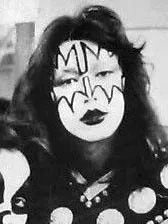
Photo: Casablanca Records, Public domain, via Wikimedia Commons
Let's start with the beard.
Not a specific beard — the beard. The carefully maintained three-day scruff on the face of every mid-major rock act signed to a major label subsidiary in the last fifteen years. It says: I don't care about appearances. It says: I rolled out of bed and picked up a guitar. It says: I am not like those polished pop acts.
What it actually says, if you read the fine print, is: my image consultant and I spent forty minutes on this.
Welcome to the authenticity industrial complex, where rebellion is a brand strategy, rawness is a production choice, and the most profitable lie in modern rock is the one that tells you nobody's lying.
The Factory That Makes Outsiders
Here's something the music industry doesn't put in its press releases: manufacturing authenticity is an extremely well-funded science. Major labels have entire departments dedicated to what they internally call "artist development" — which sounds wholesome until you understand that it means taking a person and reverse-engineering a persona that will resonate with a target demographic.
The process is sophisticated. A&R scouts don't just look for talent anymore — they look for narrative. Rough upbringing? Great. History of substance struggles? Marketable, if managed carefully. Tattoos? Essential. An actual chip on your shoulder about the music industry? Perfect, we'll make that the centerpiece of your press cycle, right up until you sign the 360 deal that gives us a cut of your touring, merch, and endorsements.
The irony is so thick you could tour on it.
The most dangerous thing you can be in this ecosystem is genuinely weird. Genuinely weird doesn't test well in focus groups. Genuinely weird doesn't fit a Spotify genre tag. Genuinely weird makes marketing teams sweat through their Oxford shirts. What does work is performed weirdness — carefully calibrated eccentricity that reads as authentic on Instagram but never actually threatens anyone's bottom line.
Case Study: The Sellout Trajectory (A Template)
You've seen this movie before, even if you didn't notice you were watching it.
Band forms in a mid-sized American city. They're legitimately raw — playing dive bars, sleeping on floors, making noise that doesn't fit neatly into any existing box. A buzz builds organically. A label comes sniffing. The band, being human beings who would like to eat food and sleep indoors, signs.
First album on the label: still pretty good. The edges are slightly sanded but the energy is there. The press cycle emphasizes how real they are, how they refused to compromise, how they almost walked away from the deal over creative control. This story is told in every interview. It is, notably, a story the label's PR team helped craft.
Second album: a little shinier, a little more radio-ready, but they've still got the look. The tattoos. The torn jeans. The interviews where they talk about how much they hate the music industry, which is funny because they're currently doing press for a music industry product.
Third album: there's a song in a truck commercial. The band says they needed the money. This is probably true. The truck company paid $400,000 for the sync license. The band got a fraction of that. The label got the rest, plus a percentage of the brand equity the commercial created. The rebellion has been monetized. The loop is complete.
This isn't a made-up band. This is a template that has been run, with minor variations, on dozens of acts across the last two decades.
The Ones Who Stayed Weird (And Paid For It)
Now let's talk about the other side of the ledger, because it exists and it matters.
Wolf Alice built one of the most genuinely restless careers in modern rock by refusing to let anyone pin them down. Each album sounds like a band that burned down their previous sound and rebuilt from scratch. They've never been the biggest name in the room, but they've never been a parody of themselves either. That's not an accident — it's a choice that has real financial costs in an industry that rewards consistency of brand over consistency of quality.
They Might Be Giants have been doing their own deeply weird thing since 1982 and have never once looked like they were trying to be marketable. They built a fanbase through sheer commitment to their own bizarre vision. No A&R team on earth would have designed them. That's the point.
You can throw Sleater-Kinney in there too — a band that has made genuinely uncomfortable, confrontational music for thirty years without ever becoming a costume version of themselves. When Corin Tucker screams, she sounds like she means it because she does mean it, and you can tell the difference between that and a scream that was approved by three rounds of label notes.
The common thread? None of these acts are household names in the way that the manufactured rebels are. Authenticity, real authenticity, is a niche product in an industry built for scale.
The Branding of Anti-Branding
The cruelest trick the industry ever pulled was convincing rock fans that anti-establishment energy could be packaged and sold without losing anything in translation.
Fear and Loathing in Las Vegas (the book, not the band, though the band is also relevant here) was a genuine howl of rage against American consumer culture. By the time that imagery showed up on Hot Topic merchandise, the howl had become a logo. The rage had become an aesthetic. The aesthetic had become a product. The product was being sold to teenagers in malls.
The same thing happened to punk. The same thing happened to grunge. The same thing is currently happening to whatever underground movement is percolating right now, because the pipeline from "genuinely threatening" to "brand partnership opportunity" has gotten dramatically shorter. The industry learned to move faster than the culture.
What Real Rebellion Actually Costs
Here's the uncomfortable truth that nobody in the press cycle wants to say: actual rebellion is bad for business. Real anti-establishment energy — the kind that refuses to compromise, that makes audiences genuinely uncomfortable, that bites the hand that feeds it — doesn't scale. It doesn't get playlist placement. It doesn't land brand deals. It doesn't test well.
What gets rewarded is the image of rebellion. The leather jacket without the bite. The scream without the threat. The tattoos without the commitment to whatever they originally meant.
The artists who actually stay dangerous — who keep making music that the industry can't fully digest — are mostly playing to smaller rooms and sleeping on more comfortable floors than they used to, but still floors. They're not on the cover of anything. Their label dropped them or they never had one. They're funding records on Bandcamp and touring in a van that requires specific prayers to start in cold weather.
They are, in other words, doing what the manufactured rebels claim to be doing.
So next time a band tells you they're keeping it real in an interview that was arranged by their publicist, scheduled around their brand partnership obligations, and published on a platform owned by a media conglomerate — maybe take a second look at that beard.
Somebody spent a lot of money making sure it looks like nobody spent any money at all.