Screen-Printed Lies: The AI Merch Invasion That's Turning Your Band Tee Into a Costume
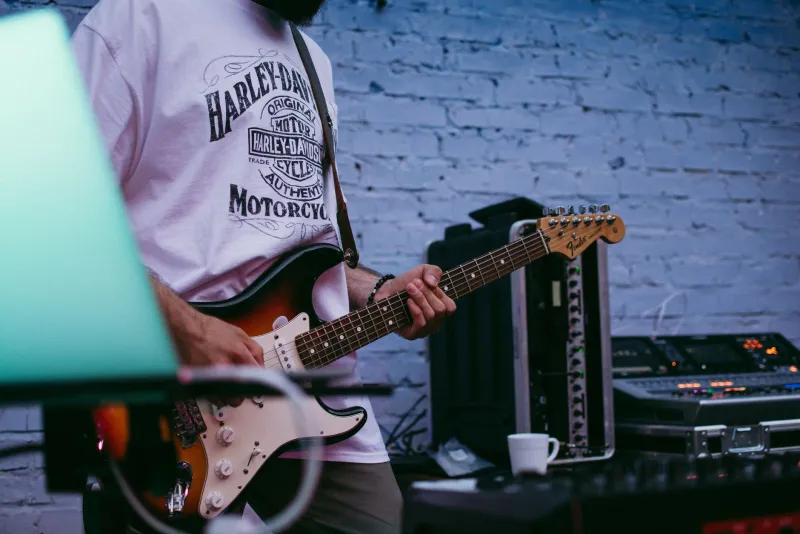
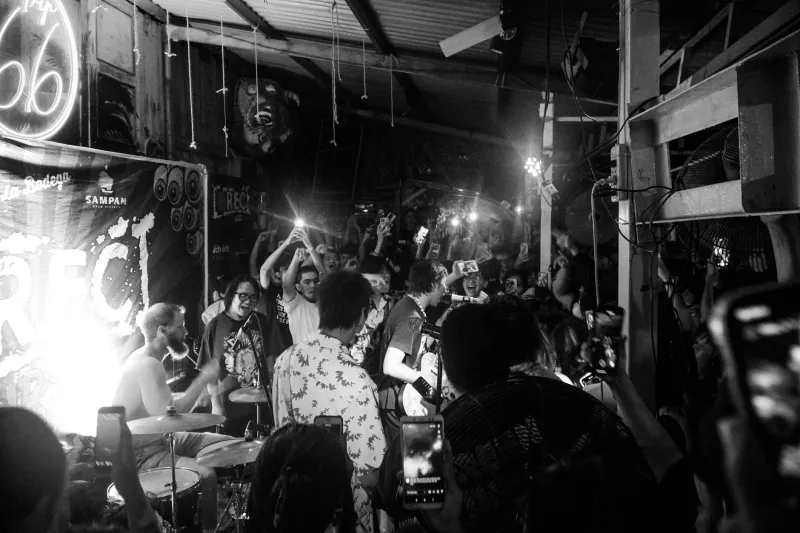
There's a particular kind of pride that comes with wearing a shirt you bought at a show. Not from a kiosk at the back of the arena — from a folding table staffed by the bassist's girlfriend, cash only, and the ink was still slightly tacky when you shoved it in your bag. That shirt means something. It's a receipt. Proof you were there, that you handed money directly to the people who made something that mattered to you.
Now imagine pulling that same shirt up on Etsy, sold by a faceless storefront for $24.99, designed by a machine that has never heard a single note of the band it's supposedly celebrating.
Welcome to the AI merch apocalypse. Population: your entire wardrobe.
The Algorithm Opened a Screen-Printing Shop
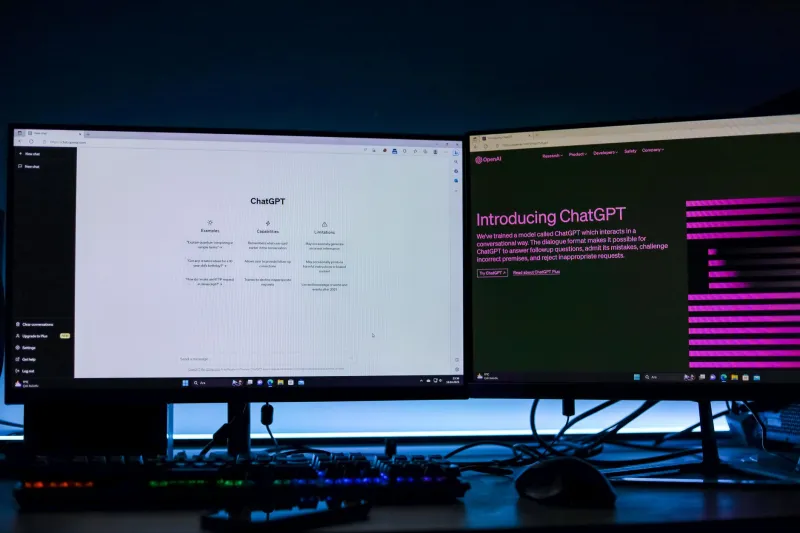
Here's how it works, and it's depressingly simple. Someone fires up Midjourney or a similar image generator, types in something like "death metal band logo dark gothic aesthetic," downloads whatever nightmare-adjacent graphic spits out, slaps it on a Gildan blank through a print-on-demand service like Printful or Printify, and lists it on Etsy before you've finished your morning coffee. No band. No artist. No story. Just vibes, automated.
The listings are everywhere now. Search for vintage rock tees, punk merch, or metal shirts on any independent marketplace and you'll wade through pages of product that has the aesthetic of authenticity without a single human fingerprint on the design. The fonts look right. The imagery hits the correct visual notes. But zoom in and you'll find the telltale smears, the anatomically confused hands gripping guitars, the logo text that dissolves into gibberish on close inspection. It's the uncanny valley, but for counterculture.
And people are buying it. That's the part that stings.
What Gets Lost When the Machine Designs the Merch
Let's be clear about what's actually at stake here, because it's not just about visual quality or some abstract notion of craft. Rock and punk merchandise has always been a parallel economy — one built by artists, for artists, running entirely outside the major label system. The person who designed Black Flag's bars logo, the people who hand-drew flyers for hardcore shows in church basements, the local artist a band hired for fifty bucks and a case of beer to paint something genuinely weird for their tour shirt — that whole ecosystem has a living pulse.
AI merch doesn't just compete with that ecosystem. It mimics it while draining it. When a buyer can't tell the difference between a shirt designed by a real human with actual knowledge of and love for a subgenre versus one generated in thirty seconds by a bot trained on stolen images, the human designer loses the sale. And the band loses the cultural authenticity that handmade merch carries.
The DIY ethos — that sacred, slightly self-righteous commitment to doing things yourself and supporting the people in your scene — gets quietly hollowed out every time someone buys a fake.
The Etsy Problem Nobody Wants to Talk About
Etsy built its entire brand on handmade and independent goods. It was supposed to be the antidote to Amazon's soul-crushing efficiency. And for a while, it genuinely was a place where a band's merch person could run a small storefront and move shirts between tours.
But Etsy's enforcement mechanisms for AI-generated content are, to put it charitably, a work in progress. The platform technically prohibits listing AI-generated images as handmade, but the policy is enforced inconsistently at best. Sellers have gotten creative with their descriptions, burying the truth in vague language about "digital design" and "custom printing." Meanwhile, legitimate small-batch screen printers and actual band merch stores get buried in search results by stores pumping out fifty new listings a week with zero overhead because a computer is doing all the creative work.
Some real designers have started fighting back by watermarking process photos, posting time-lapse videos of their work, and going out of their way to document the human labor behind their products. It's exhausting that they have to. It's also very punk.
The Democratization Trap
Here's where it gets genuinely complicated, because the counterargument isn't nothing. AI design tools have lowered the barrier for small bands who can't afford a real graphic designer to produce merch at all. A four-piece from Tulsa playing their third show ever shouldn't have to go without a shirt table just because they can't pay someone. There's a version of this story where accessible tools help more bands participate in merch culture.
But there's a difference between a band using AI tools to create their own merch — with their actual name, their actual aesthetic, their actual intent — and a third-party grift merchant generating generic "rock aesthetic" shirts and selling them as if they carry any cultural weight whatsoever. One is a band making do. The other is a parasite wearing rock's skin.
The distinction matters enormously. Intent matters. Connection to the actual music and community matters. A shirt that exists purely to exploit the visual language of a subculture without any genuine relationship to it is, at its core, a costume. And rock has always had complicated feelings about people wearing costumes.
How to Tell the Difference (And Why You Should Bother)
If you care about this — and if you've read this far, you probably do — here's your practical field guide. Before you buy band merch from any independent seller, ask yourself a few questions. Does the shop have any connection to an actual band or artist? Are there process photos or evidence of real production? Does the design have a coherent visual identity that feels like it came from somewhere specific? Does the text in the design actually make sense when you look closely?
Better yet, buy merch directly from bands. At shows. From their official websites. From Bandcamp, which has become one of the last reliable places where money actually flows toward musicians. Wear the receipt, not the costume.
The machine can replicate the look. It cannot replicate the reason any of this ever meant anything.
The Shirt on Your Back Is a Statement
Rock culture has always used clothing as communication. What you wear tells people what you've heard, where you've been, what you believe. That language only works if the symbols are real. An AI-generated band tee is a sentence written in a language the wearer doesn't actually speak — and the scene notices.
Support the humans. Buy the real thing. The ink might still be tacky, and that's exactly the point.